
What Should Be Included In A Brand Style Guide?

If you've ever worked with a designer, agency, printer, web developer, or marketing team, you've probably heard the term brand style guide.
But what exactly is it, and why does it matter?
A brand style guide is the document that ensures your business looks, feels, and communicates consistently across every touchpoint. It's the rulebook that keeps your brand recognisable whether someone encounters it on your website, packaging, social media, advertising, or printed materials.
Without one, even the best-designed brand can quickly become inconsistent and confusing.
Here's what should be included in a professional brand style guide.
What Is A Brand Style Guide?
A brand style guide is a document that outlines the visual and verbal elements of your brand. It provides clear instructions on how your brand should be presented and used across different channels.
Think of it as a blueprint for consistency.
Whether you're hiring a designer, creating packaging, launching a website, or growing your team, a style guide ensures everyone is working from the same playbook.
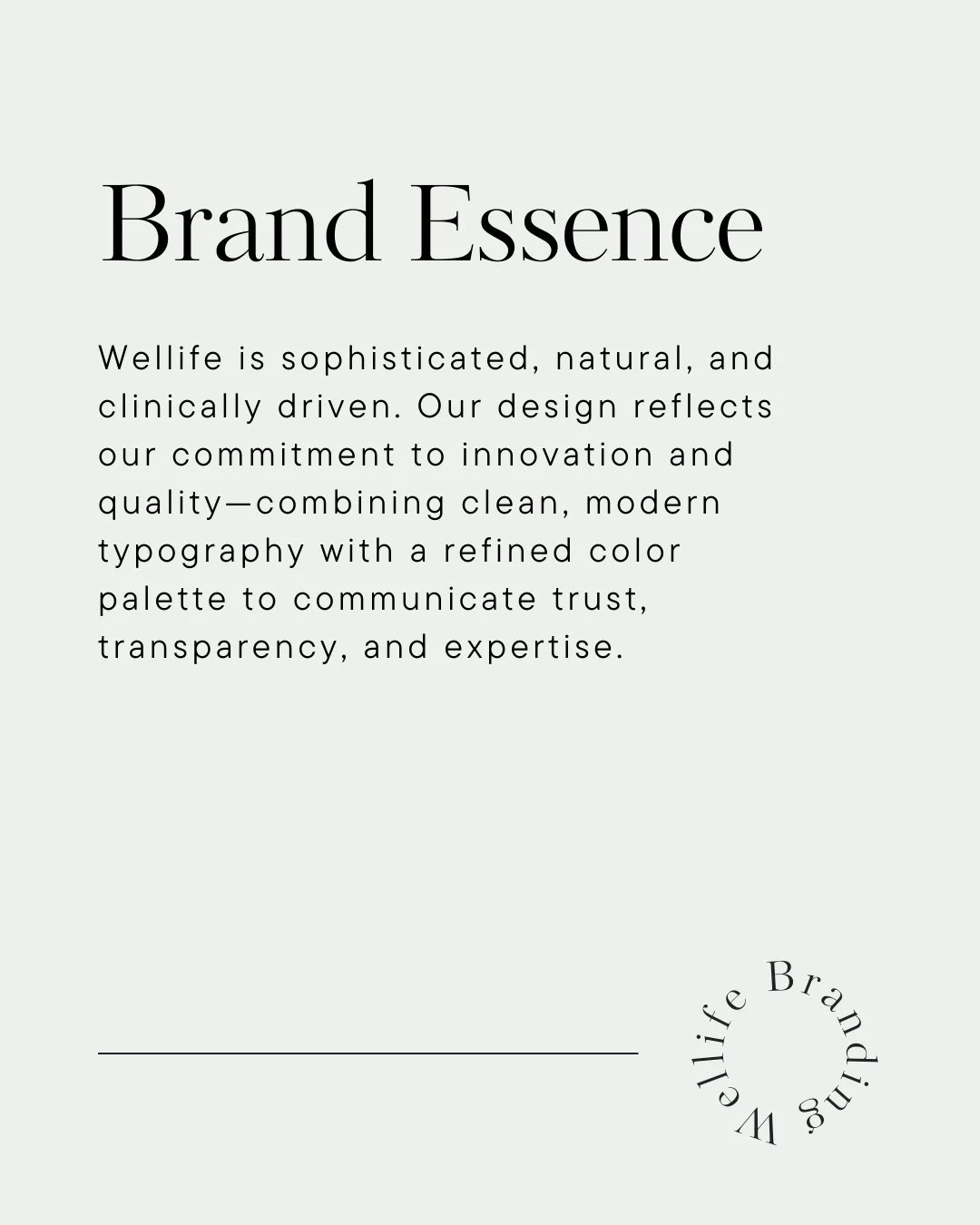
Why Is A Brand Style Guide Important?
Strong brands are built through repetition and consistency.
When colours, typography, imagery, messaging, and design elements are used consistently, people begin to recognise and trust your business.
A brand style guide helps:
Create a professional and cohesive brand presence
Improve brand recognition
Save time during future design projects
Ensure consistency across teams and suppliers
Protect the integrity of your visual identity

1. Logo Guidelines
Your logo is one of the most valuable assets in your business, and your style guide should explain exactly how it should be used.
This section typically includes:
Primary logo
Secondary logo variations
Icon or brand mark
Minimum sizing requirements
Clear space requirements
Approved colour versions
Incorrect logo usage examples
These guidelines help prevent stretching, distortion, colour changes, and other common mistakes.

2. Colour Palette
Colour plays a major role in how customers perceive your brand.
A style guide should define:
Primary brand colours
Secondary brand colours
Accent colours
HEX values
RGB values
CMYK values
Providing exact colour specifications ensures consistency across digital and print applications.
3. Typography
Typography has a huge impact on how your brand feels.
Your style guide should clearly outline:
Primary typeface
Secondary typeface
Heading styles
Subheading styles
Body copy styles
Recommended font pairings
This ensures every piece of communication feels connected and intentional.
4. Brand Imagery & Photography
Images communicate just as much as words.
This section should define:
Photography style
Image treatment
Composition preferences
Lighting direction
Colour grading
Subject matter
For example, a luxury brand may favour moody editorial photography, while a wellness brand may use bright natural imagery.
The goal is to create a visual language that supports the overall brand.
5. Graphic Elements
Many brands include supporting visual assets beyond the logo.
These may include:
Patterns
Illustrations
Icons
Shapes
Textures
Decorative elements
These assets help create a richer and more distinctive visual identity.
6. Tone Of Voice
A brand isn't just how it looks. It's also how it sounds.
A tone of voice section outlines how your business communicates with customers.
This may include:
Brand personality traits
Writing style guidelines
Key messaging principles
Words to use
Words to avoid
Example copy
Whether your brand is playful, premium, bold, friendly, or sophisticated, a tone of voice guide helps maintain consistency across all communications.
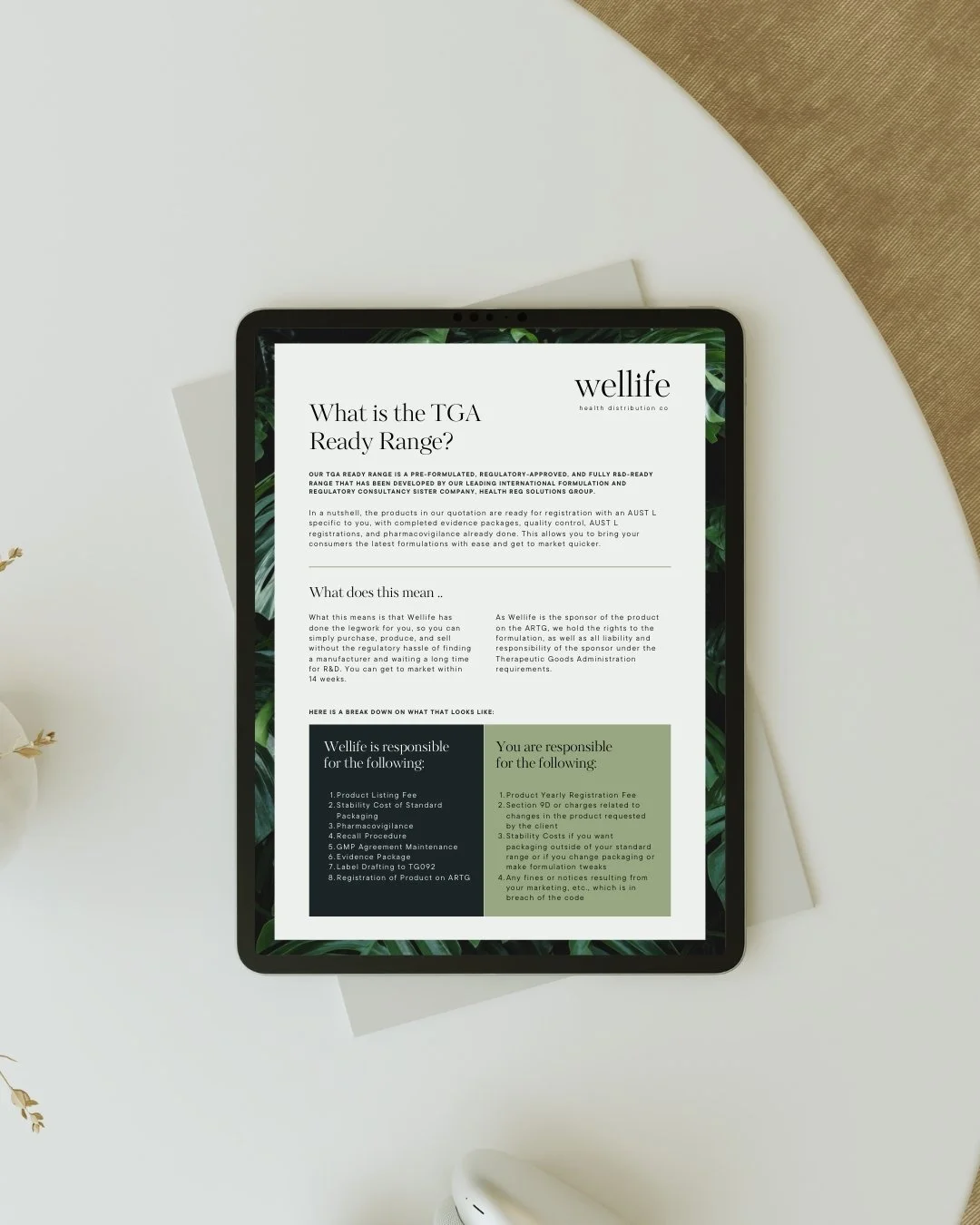
7. Applications & Examples
One of the most valuable sections of a style guide is seeing the brand applied in real-world situations.
Examples might include:
Business cards
Packaging
Social media
Website layouts
Advertising
Signage
Presentation templates
Showing the brand in action helps teams understand how all the elements work together.

Common Mistakes Businesses Make
Many businesses invest in a logo but stop there.
Unfortunately, a logo alone doesn't create a strong brand.
Common issues include:
Using different fonts across platforms
Inconsistent colours
Poor logo placement
Mixed photography styles
Inconsistent messaging
Creating new designs without clear guidelines
A comprehensive style guide helps eliminate these problems before they happen.
Final Thoughts
A strong brand style guide is one of the most valuable assets a business can have.
It ensures your brand remains consistent, professional, and recognisable as your business grows.
While every style guide is different, most should include logo guidelines, colour palettes, typography, imagery direction, graphic elements, tone of voice, and real-world applications.
When these elements work together, they create a brand that feels cohesive, memorable, and trustworthy.
If you're building a new brand or refreshing an existing one, investing in a well-structured brand style guide can save countless hours and help your business present itself with confidence across every touchpoint.